



Best Pro Scooters in 2026: How to Choose + Top Brands
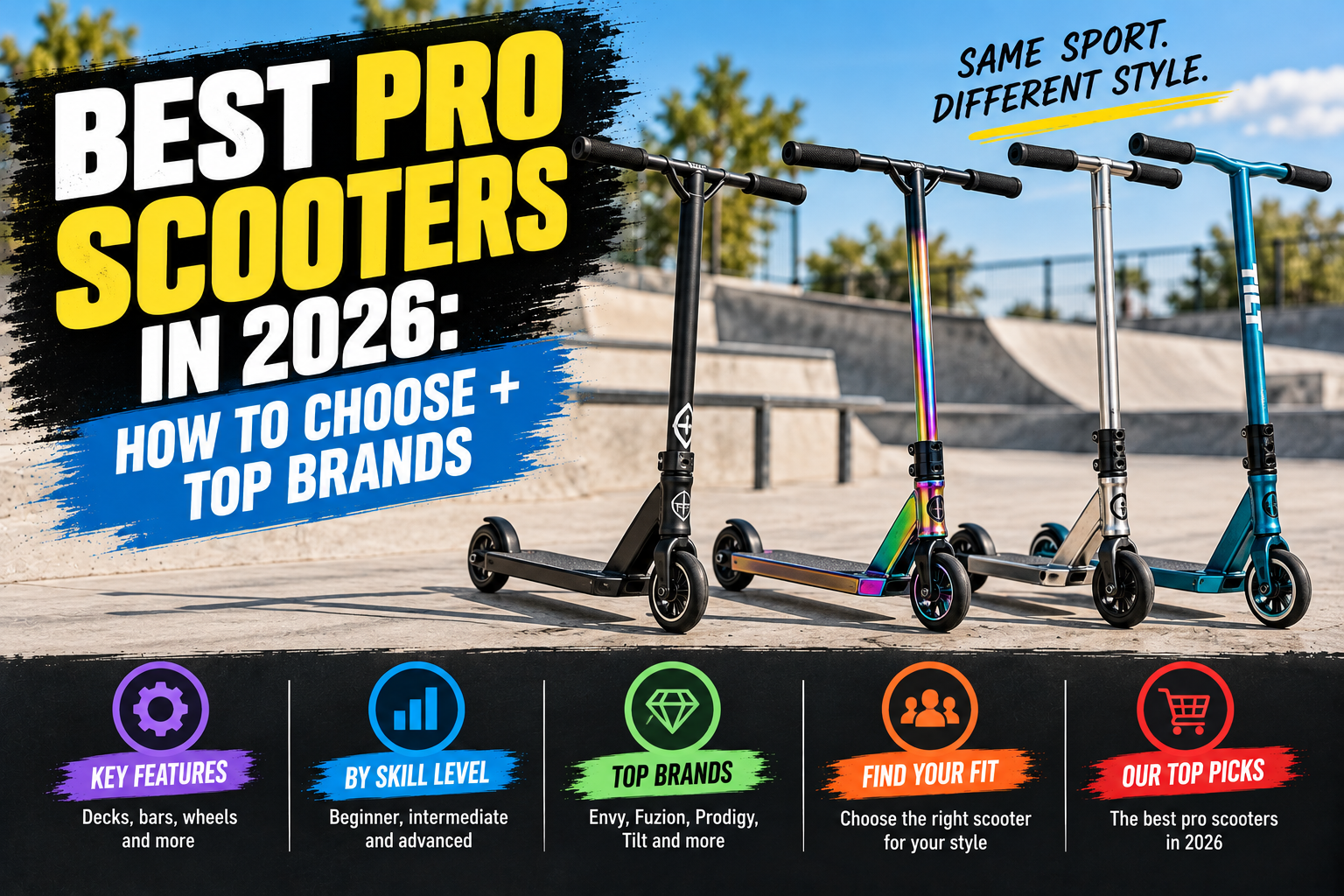
The pro scooter world moves fast. What started as a kid's toy is now a serious discipline with its own parks, competitions, and a deep catalog of high-performance parts. But that also means buying your first real scooter can feel confusing: complete or custom, which bar height, what compression system, and which of the dozens of brands actually deliver?
At SkatesUSA, we stock the most trusted names in stunt scooters, from Envy and its flagship Prodigy line to Ethic, Tilt, Root Industries, and more. This guide explains exactly how to choose the right one.
Below we cover the difference between pro and commuter scooters, complete versus custom, how to size a scooter to the rider, the parts that matter, the best brands, and how much to spend in 2026. Let's dial it in.
Pro Scooters vs. Kick Scooters: Know the Difference
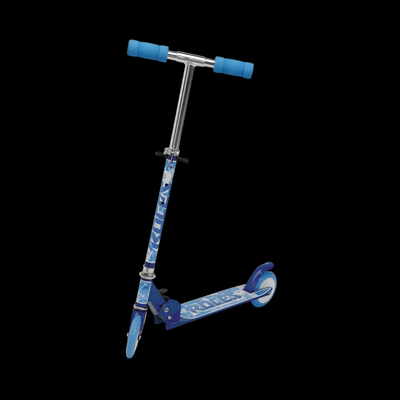
The word “scooter” covers two very different machines. A pro scooter (also called a stunt or trick scooter) has fixed, non-folding bars and a rigid deck built to survive drops, grinds, and park abuse. A kick or commuter scooter folds, often has adjustable bars and bigger wheels, and is made for getting around, not for tricks. This guide is all about pro scooters. If you want to ride parks and street or learn tricks, that's the category you want.
Scooter or Skateboard: Which Should You Get?
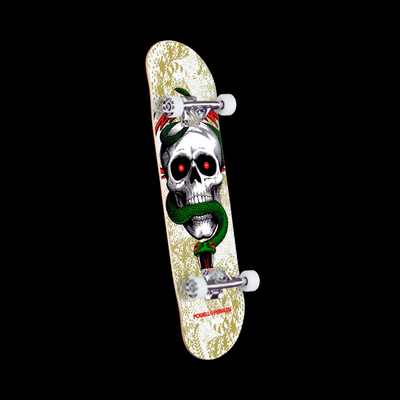
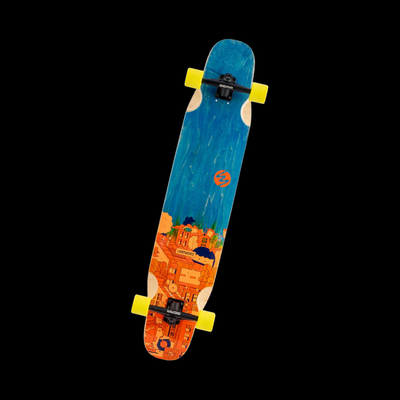
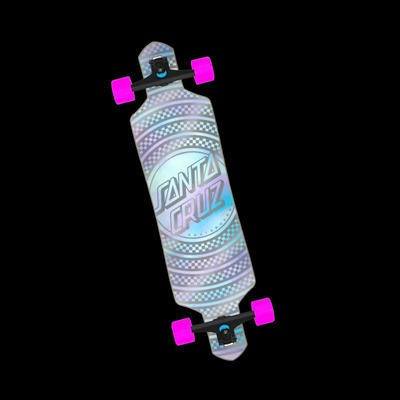
Plenty of riders weigh a scooter skateboard setup against each other before buying, and the honest answer is that it comes down to how you want to ride. A pro scooter has a learning curve that's friendlier at the very start, with bars to hold onto, which helps younger or newer riders find their balance quickly. A skateboard has no bars and a steeper early curve, but a huge trick ceiling and a deep culture. Many riders do both. If you're torn, a complete scooter is the easier first step, and you can always add a complete skateboard later.
Complete vs. Custom: Which Should You Buy?
Your first big decision is simple: buy a complete or build a custom. For almost everyone starting out, the answer is a complete scooter.
A complete scooter arrives fully assembled with a matched deck, bars, fork, wheels, clamp, headset, and brake, ready to ride out of the box. Modern completes are excellent value: entry models like the Envy One S3 or Colt S6 are perfect first scooters, while the Envy Prodigy X sits at the top of the complete range for riders who want pro-level parts without building from scratch.
A custom build lets you pick every part to match your style and size, but it costs more and only makes sense once you know what you want. Our advice: ride a complete first, then upgrade parts as they wear or as your riding grows.
How to Size a Pro Scooter (Rider Height & Bar Height)
The single most important fit factor is bar height, measured from the deck to the top of the bars. Bars that are too tall are hard to control and whip; too short and you'll feel cramped and hunched.
Rider Note: As a rule of thumb, your bars should land somewhere between your waist and your belly button when you're standing on the deck. Shorter, younger riders want lower bars and a lighter deck for control, while taller riders can run taller bars (650mm and up) and a longer deck for stability.
Deck size matters too. A shorter, narrower deck (around 19 to 20 inches long and 4.5 to 5 inches wide) is light and flickable, great for technical riding and smaller riders. A longer, wider deck (21 inches and up, 5.5 inches wide) is more stable and better for bigger riders and bigger tricks. For the youngest riders, brands like Envy make dedicated training scooters sized down to fit small hands and low bars.
Pro Scooter Parts Explained
Understanding the parts makes every spec sheet readable and every upgrade easy. Here's what each one does:
-
Deck: the foot platform, sized by length and width. Aluminum decks balance strength and low weight. Browse scooter decks to compare sizes.
-
Bars: steel bars are strong and affordable but heavier, while aluminum and chromoly bars shave weight for easier spins. Sized by height and width, in T-bar or Y-bar shapes.
-
Wheels: a metal core wrapped in PU. 100mm is the classic size, while 110mm and 120mm roll faster and smoother. Bigger wheels carry more speed, smaller wheels feel lighter and quicker.
-
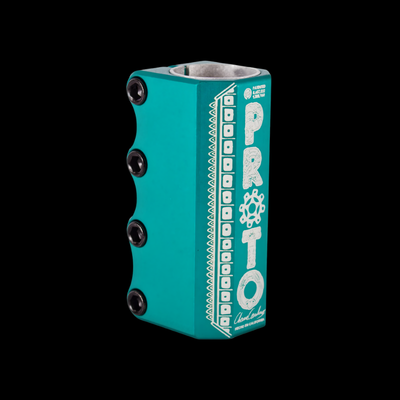
Compression system: this keeps the bars and fork tight. IHC and HIC are common and lightweight, while SCS is the strongest clamp-style system, favored by heavier riders and those doing big tricks.
-
Fork and headset: the fork holds the front wheel and sets the compression type, running on a sealed integrated headset for smooth spins.
-
Clamp: single, double, or oversized clamps hold the bars to the fork. More bolts and oversized designs give heavier riders more holding power.
-
Grips, griptape, and brake: grips and scooter griptape keep you locked in, while a flex fender brake (or an upgraded spring brake) gives you control. Shop all scooter parts to upgrade any of these.
The Best Pro Scooter Brands at SkatesUSA
These are the names we trust to build scooters and parts that hold up to real riding:
-
Envy (Blunt Envy): the biggest name in the game, with a complete range from first scooters to the pro-level Prodigy line, plus a huge catalog of parts. See the full Envy collection.
-
Ethic DTC: French brand famous for lightweight, beautifully engineered decks and parts like the Pandemonium deck.
-
Tilt: a rider-owned brand respected for premium street parts and the Theorem complete.
-
Root Industries: known for colorful, durable completes like the Type R and strong aftermarket forks and wheels.
-
North, Lucky, Aztek, and Native: all trusted brands with excellent decks, wheels, and components across every price point.
Explore the full lineup across our scooters collection and scooter decks.
How Much Should You Spend on a Pro Scooter?
You can get a genuinely good complete without breaking the bank. Here's a realistic picture for 2026:
-
$120 to $190: solid entry completes like the Envy One S3 and Colt S6. Perfect first scooters that can actually take tricks.
-
$200 to $300: flagship completes like the Envy Prodigy X with pro-level parts, ready to progress fast.
-
$300 and up: premium completes and custom builds with the lightest decks, best wheels, and strongest compression for advanced riders.
As with bikes, avoid the cheapest big-box scooters. They fold, flex, and can't handle a drop off a curb, let alone a park.
How to Choose the Right Scooter for You
Put it together with a quick checklist:
-
Pick a pro scooter, not a folding kick scooter, if you want to ride park or street.
-
Size it to the rider: bars between waist and belly button, deck length to match height and style.
-
Start with a complete: it's better value and ready to ride.
-
Set a budget: around $120 and up gets a real scooter, $200 and up gets pro-level parts.
-
Upgrade later: swap wheels, bars, or a deck as you progress.
Keeping Your Scooter Dialed
A pro scooter takes a beating, so a quick check keeps it safe and riding well. Make these a habit:
-
Check the compression and clamp: if the front end feels loose or the bars twist, tighten the clamp and compression bolts. A loose headset wears parts out fast.
-
Watch the wheels and bearings: replace wheels when the PU is chewed up or cored, and swap bearings if they grind or slow you down.
-
Refresh grips, griptape, and brake: worn griptape and a flattened brake are cheap, easy fixes that make a big difference.
Don't Forget the Safety Gear
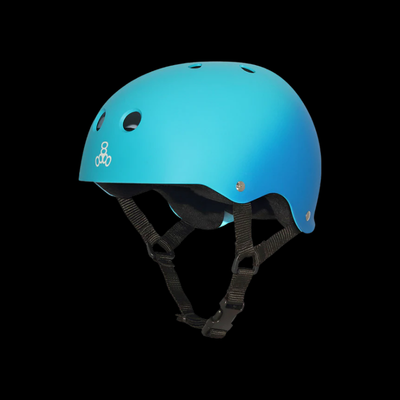
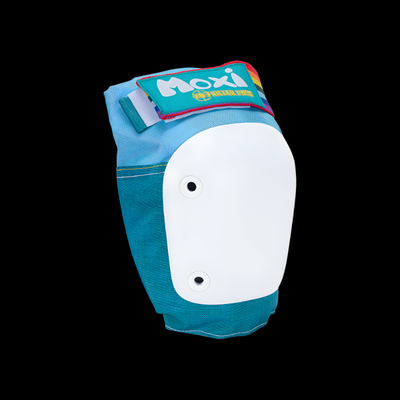
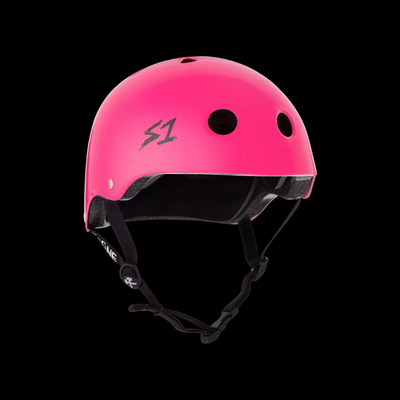
Park and street riding comes with slams, so gear up before you session. A properly fitted helmet is essential, and knee pads, elbow pads, and wrist guards save a lot of skin while you learn. Browse helmets and protective gear and ride with confidence.
Find Your Pro Scooter at SkatesUSA
Now you know exactly what to look for. Whether you're buying a first complete, sizing a scooter for a younger rider, or upgrading to a custom build, we've got the brands and parts to back it up. Browse our full range of scooters, shop complete scooters, or build your own with scooter decks and parts at SkatesUSA, with free shipping on orders over $50.
