


Quads vs. Inlines: Which Skates Are Right for Your 2026 Style?
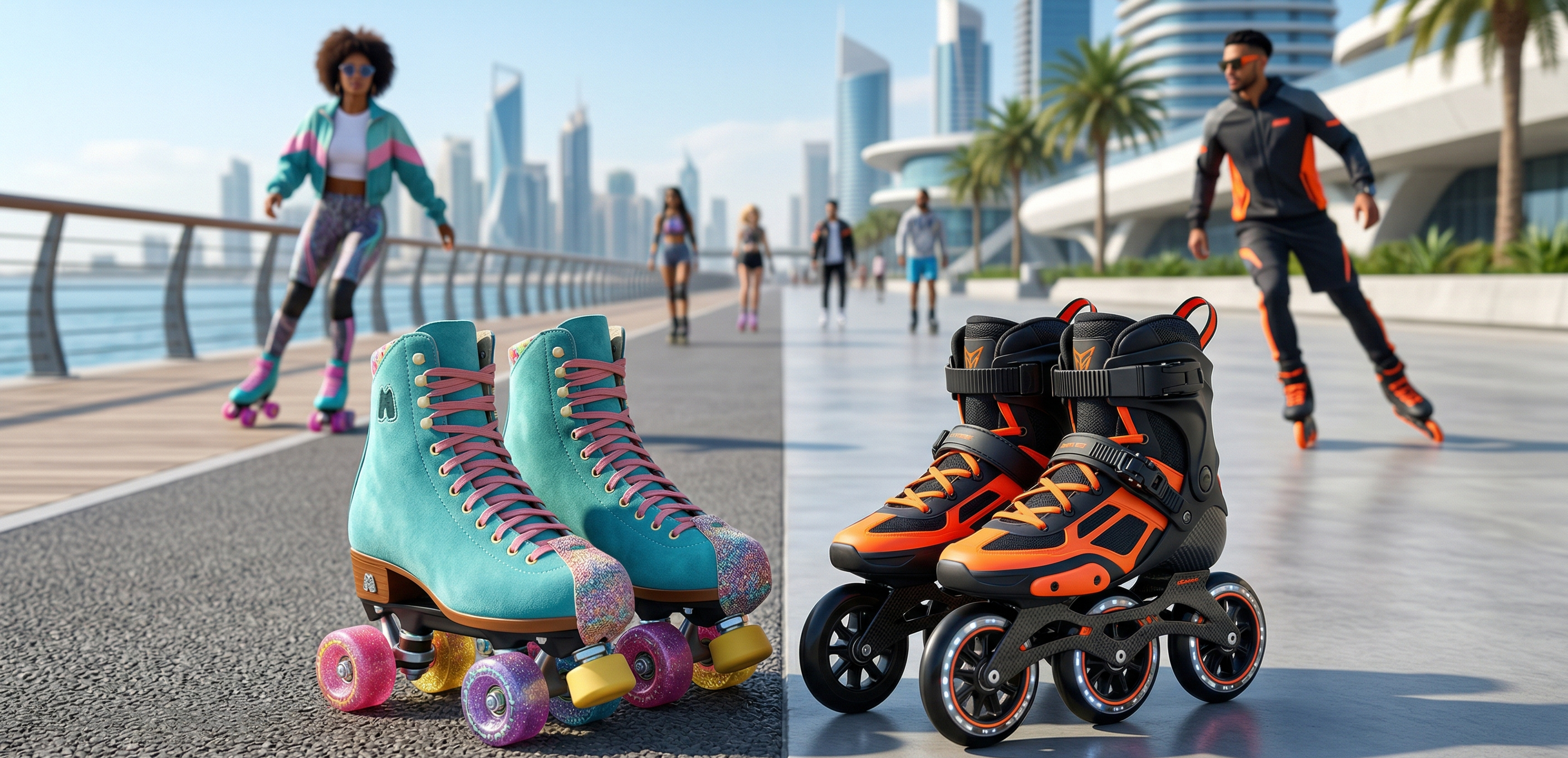
The skating world is currently experiencing a massive resurgence. From viral Venice Beach rhythm sessions to the gritty, technical clips coming out of the global aggressive inline scene, more people are taking to the pavement than ever before. But as you browse the SkatesUSA collection, a fundamental question emerges: Should you go with traditional four-wheel "quad" skates or streamlined inline skates?
At SkatesUSA, we don't believe there is a "wrong" choice, but we do know there is a "right" tool for the specific job you want to do. To help you avoid "buyer’s remorse," we’ve broken down the fundamental differences between these two iconic styles of rolling.
1. The Balance Battle: Which is Easier for Absolute Beginners?
This is the most frequent question we receive at the shop. The answer depends entirely on how you perceive balance.
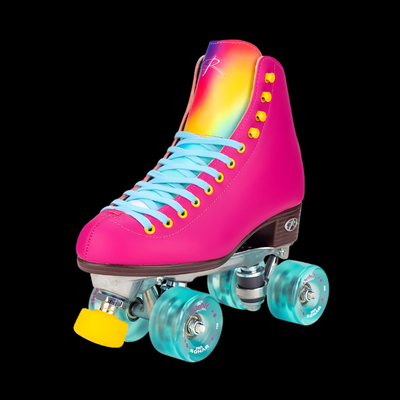
Quad Skates (Traditional Roller Skates): These offer a wide, rectangular base. They feel more like "standing on a floor." For absolute beginners, this provides an immediate sense of side-to-side stability. If you struggle with weak ankles or "wobbling" laterally, quads provide a sense of security. However, because the wheelbase is shorter (front to back), beginners on quads are more prone to falling backward if they don't keep their knees bent and weight forward.
Inline Skates (Rollerblades): These have a much longer frame. While they require more ankle strength to keep the wheels from "pronating" (leaning inward), they are actually significantly easier to balance on if you tend to fall forward or backward. Because the frame extends past your heel and toes, you have a much larger "safety net" during movement.
The Strategy: If you want to feel stable standing still or doing "stop-and-start" dancing, go Quad. If you want to glide with momentum and avoid "tripping" over your own heels, Inlines are your best friend.
2. Rink vs. Road: Can I Use Indoor Skates on Pavement?
A common myth is that "pretty" roller skates or high-end blades are strictly for indoor wood floors. In reality, the boot is rarely the limiting factor—it’s all about the Wheels.
-
The Durometer Secret: Look for the number followed by an "A" on the wheel. Indoor wheels are usually 95A–101A (hard), designed to slide and spin on smooth floors. Outdoor wheels are 78A–82A (soft). These act like a suspension system, absorbing the vibrations of rough asphalt and rolling over small pebbles rather than "chocking" on them.
-
The Inline Advantage: Even with soft wheels, quads have a wide profile. This means they hit more surface area—and more debris. Inlines have a thin "knife-like" profile that slices through cracks and twigs that might catch a quad wheel. If your primary goal is cruising beachfront trails or city streets, Inlines offer a smoother, faster experience.
3. What Exactly are "Aggressive" Inline Skates?
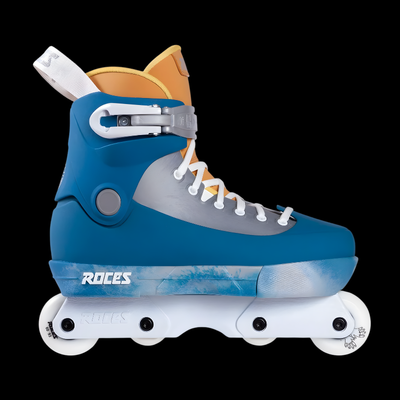
If you’ve seen skaters grinding down handrails or flying through concrete bowls at the local park, they aren't wearing standard recreational blades. They are wearing Aggressive Inline Skates.
How they differ from "Regular" Blades:
-
The H-Block: This is a large, durable plastic gap in the middle of the frame (between wheels 2 and 3) designed specifically for locking onto rails and ledges.
-
Soul Plates: These are wide "shelves" on the side of the boot and frame. They allow you to perform "soul grinds" where you stand on the side of the skate rather than the wheels.
-
Wheel Size: While a fitness skate might use 80mm–110mm wheels, aggressive skates use much smaller wheels (55mm–60mm). This keeps your center of gravity low for stability on landings and prevents "wheel bite" (where your wheels hit the rail during a grind and stop you dead).
4. Sizing and Fit: The 2026 Golden Rule
Nothing ruins a skating session faster than a boot that’s too tight or a heel that slides. Here is the "Senior Strategist" advice: Do not buy your sneaker size.
Skate boots (especially Quad Skates) are often made of leather or high-grade synthetics that "break in" over time. If a skate is too loose on day one, it will become a "bucket" in a month, leading to blisters and lack of control.
-
The "Performance" Fit: Your toes should lightly graze the front of the boot when standing straight. When you drop into a "skater’s stance" (knees bent), your toes should pull back slightly.
-
Pro Tip: Always measure your foot in centimeters (Mondo point) and compare it to the specific brand’s size chart on our site. A Size 9 in Moxi Quads is not the same as a Size 9 in USD Aggressive Inlines.
5. Maintenance: Protecting Your Investment
Regardless of the style you choose, your skates are a mechanical tool. In 2026, high-quality bearings (like ABEC-7 or ABEC-9) are the standard, but they require love.
-
Bearings: If you skate through a puddle or sand, clean your bearings immediately. Moisture is the enemy of speed.
-
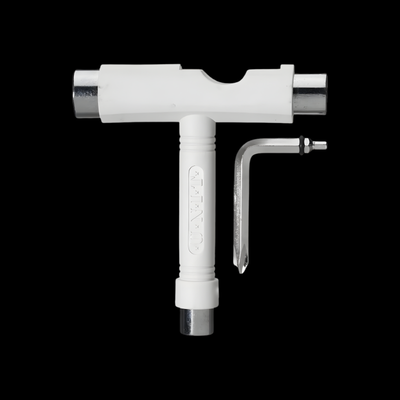
Toe Stops and Brakes: Quad skaters should regularly check their toe stops to ensure they haven't loosened. Inline skaters using a heel brake should rotate their wheels every few weeks to ensure even wear, as the "inside" edge of the wheel always wears down faster.
Conclusion
Choosing between quads and inlines isn’t just about selecting a pair of skates; it’s about deciding how you want to interact with the world around you. Whether you crave the rhythmic, creative expression of the roller rink or the fast-paced, obstacle-defying freedom of the city streets, your gear is the bridge to that experience. At SkatesUSA, we’ve seen thousands of skaters start their journey, and the most successful ones are those who prioritize fit, purpose, and high-quality hardware over fleeting trends. Remember, the "best" skate is the one that makes you want to lace up and head outside day after day. Take your measurements, pick the style that matches your "vibe," and join the global community of skaters who are reclaiming the pavement in 2026.
