

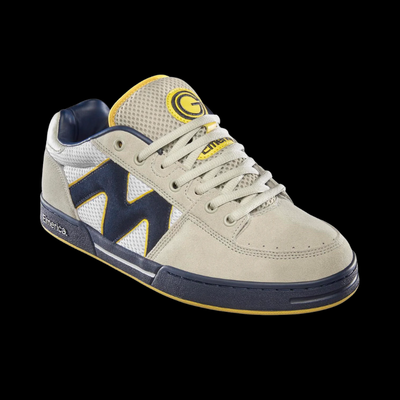
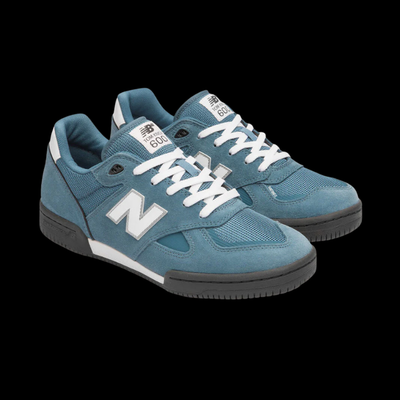
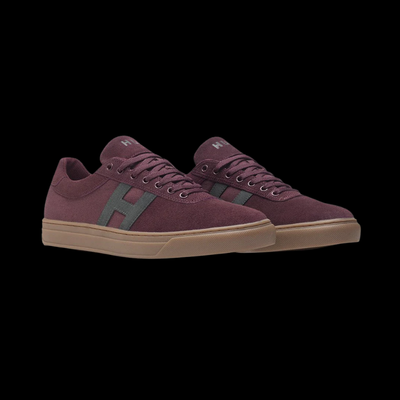
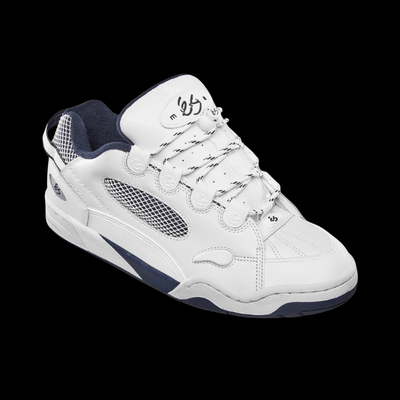
Megajumps and Impact Protection: Cupsole vs. Vulcanized Skate Shoes
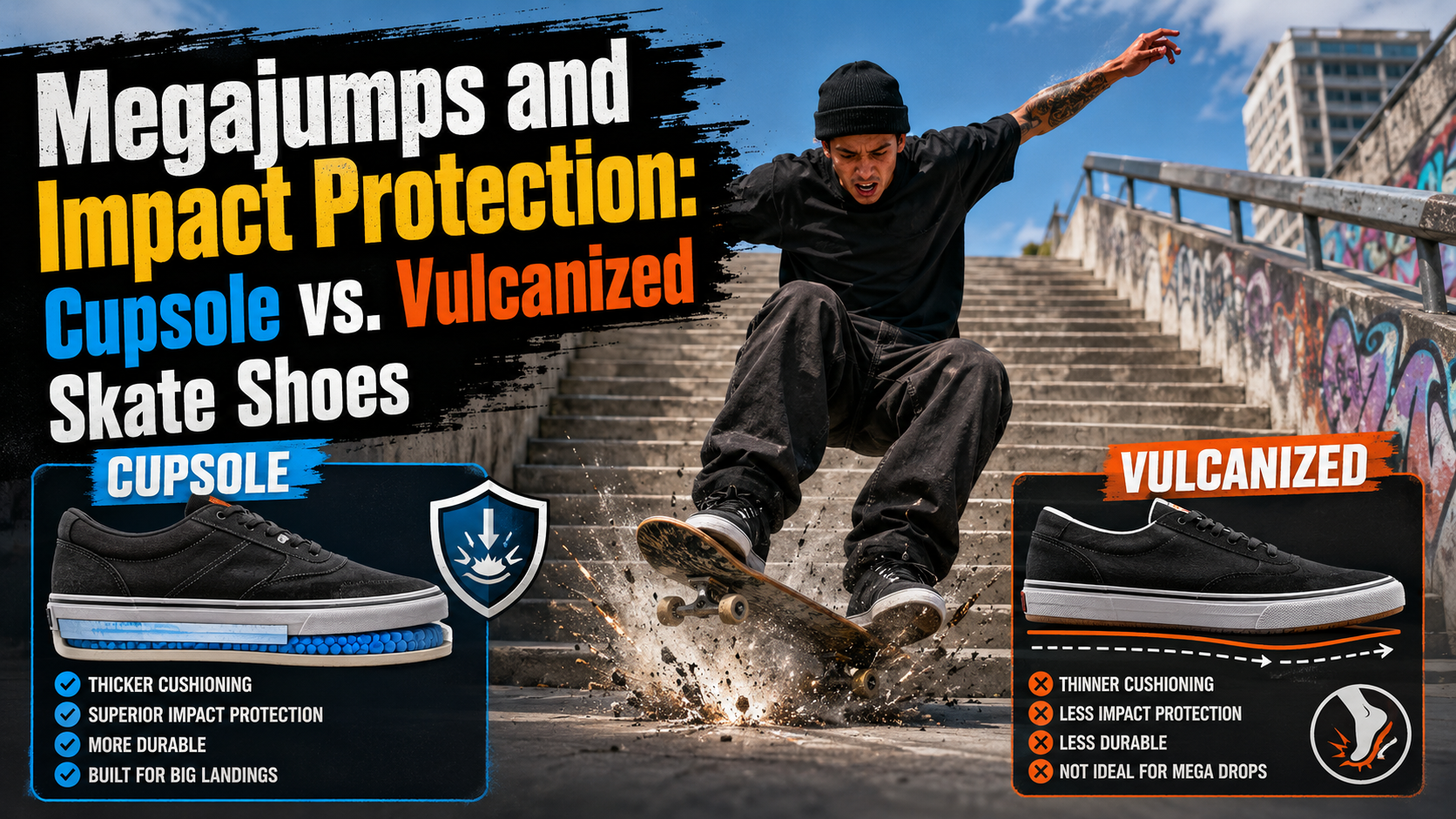
When you’re prepping for a heavy session, you probably check your helmet, your knee pads, and your hardware. But what about the only piece of gear connecting your body to your pedals, deck, or grip tape?
Your shoes are your primary shock absorbers. If you've ever landed flat from a flyout or casing a ledge and felt that agonizing sting in your heels (commonly known as a heel bruise), your shoes failed you.
At SkatesUSA, we know that foot protection is just as vital as a dialed setup. To save your feet from the impact of megajumps, you need to understand the structural battle: Cupsole vs. Vulcanized. Let's break down which construction method belongs on your feet.
1. Cupsole Shoes: The "Heavyweight Bodyguards"
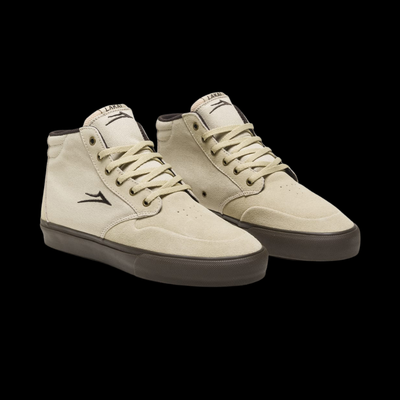
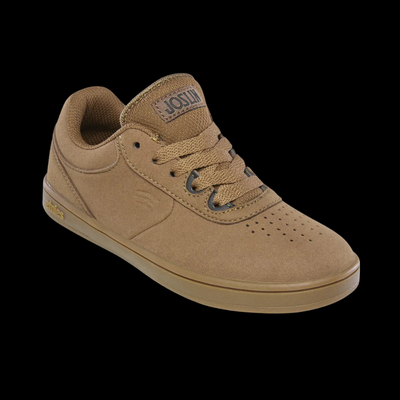
If your riding style involves launching out of vertical ramps, clearing stairs, or handling heavy street drops, Cupsoles are your best friend.
-
How they are made: The sole is molded as a single, durable "cup" out of rubber, and the upper part of the shoe is stitched directly inside it. This allows for a thick layer of high-tech internal cushioning (like EVA or polyurethane foam).
-
The Impact Protection: Maximum. The rigid rubber walls of a cupsole absorb the blunt force of a hard landing, preventing your heel from bottoming out against the metal pedals or aluminum scooter deck.
-
Pros: Unmatched heel protection, excellent arch support, and incredible durability against abrasive grip tape or pedal pins.
-
Cons: They require a "break-in" period. Because the sole is thick and stiff, you will have less flexibility and a slightly muffled feel for your pedals or deck on day one.
2. Vulcanized Shoes: The "Flick & Flex Masters"
Vulcanized (or "Vulc") shoes are traditional, classic skate shoes built for agility, precision, and a fast response.
-
How they are made: The upper shoe is glued to the outsole, and a rubberfoxing tape is wrapped around the edges. The entire shoe is then "baked" in an oven to chemically fuse the rubber together.
-
The Impact Protection: Minimal to Moderate. Because the sole is thin and lacks a rigid structural frame, it relies almost entirely on the removable insole for cushioning.
-
Pros: Zero break-in time and incredible flexibility. You get a perfect "1-to-1 feel" of exactly where your foot is on the deck, making technical tricks, foot adjustments, and pedal clawing effortless.
-
Cons: They wear out faster under heavy braking or grinding abuse, and landing flat in a vulc shoe can result in an instant heel bruise.
The Performance Comparison
| Feature | Cupsole Construction | Vulcanized Construction |
| Impact Absorption | 🥇 Excellent (Built for heavy drops) | 🥈 Low (Relies entirely on insoles) |
| Board / Pedal Feel | 🥈 Moderate (Damped sensation) | 🥇 Excellent (Highly responsive) |
| Break-In Time | Requires a few sessions to soften | Ready to shred straight out of the box |
| Best For... | Big Air, BMX Street, Scooter Megajumps | Technical Park, Grind Lines, Flow Skating |
Pro Tip: How to Prevent the "Heel Bruise"
If you absolutely love the flexible feel of a Vulcanized shoe but want to start hitting larger obstacles, don't just rely on the stock foam insert. Upgrade your setup with a high-impact removable aftermarket insole (like Kingfoam or performance gel inserts). These use specialized non-Newtonian fluids or military-grade foam that stays soft when walking but hardens instantly upon high impact, giving you cupsole-level protection inside a flexible vulc shoe!
Rider Note: Pain shouldn't be a part of your progression. If your lower back, knees, or heels ache after a two-hour session, it’s a sign that your footwear isn't matching the height of your jumps. Protect your body so you can skate tomorrow.
Ready to step up your footwear game? Browse our latest Rider Apparel & Protective Gear at SkatesUSA to keep your body safe from the concrete.
