

Street vs Park Skateboarding: Which Style Is Right for You?

Standing in a skate shop or browsing SkatesUSA online, the sheer number of deck shapes, wheel sizes, and truck widths can be overwhelming. You just want to skate, but suddenly you’re faced with a choice: Street or Park?
While the culture is one and the same, the terrain demands different things from your equipment—and your body. Choosing the right style early on helps you progress faster and have more fun. But don’t worry, you aren’t locking yourself in forever.
Here is a guide to help you find your flow and pick the setup that matches your ambition.
Defining the Two Worlds
To pick a lane, you need to know what the road looks like. Both styles are incredible, but they offer very different feelings and challenges.
What’s the main difference between street and park skateboarding?
Street Skateboarding is raw and creative. It turns the urban environment into a playground. You are looking at stairs, handrails, ledges, banks, and gaps. It is technical and requires pop. The ground is often rough, the landing space is tight, and the obstacles are angular.
Park Skateboarding is about flow, speed, and transitions. It takes place in designated skate parks featuring bowls, vert ramps, quarter pipes, and spines. The surfaces are usually smooth concrete or wood. The goal here is maintaining momentum, carving lines, and catching air. It feels more like surfing on concrete.
The Hybrid Question
Beginners often ask if they need two different boards right away.
Can one skateboard work for both street and park?
Yes, absolutely. Most modern "popsicle" shape decks are designed to handle both. However, as you get better, you will notice that a setup optimized for one might struggle in the other.
A pure street setup might feel too slow and unstable in a big bowl. A dedicated park setup might feel heavy and clunky when trying to kickflip a stair set. The key is finding a "hybrid" middle ground when you are starting out—usually a standard 8.0" to 8.25" deck with medium-hardness wheels.
Dialing In Your Setup
If you know which direction you are leaning, you can tweak your gear to make learning much easier.
What deck shape and wheel size works best for each style?
For Street:
-
Deck: You generally want a standard "popsicle" shape. Widths between 7.75" and 8.25" are easier to flip.
-
Wheels: Go smaller and harder. A size of 50mm to 53mm gives you quick acceleration and keeps your center of gravity low. A hardness of 99a to 101a helps you slide ledges and revert tricks without sticking.
For Park:
-
Deck: Stability is king. Wider boards (8.25" to 8.5" or even shaped "old school" decks) give you more surface area to land on when coming out of the air.
-
Wheels: You need speed and grip. Larger wheels (54mm to 60mm) carry momentum better through transitions. Slightly softer durometers (around 97a to 99a) prevent you from sliding out on slick concrete ramps.
Do trucks matter more for street or park skating?
They matter for both, but for different reasons.
-
Street Trucks: You often want "Low" or "Mid" profile trucks for quicker pop. They should match your board width perfectly to help with flip tricks.
-
Park Trucks: You typically want "High" trucks. The extra height prevents wheel bite (when the wheel rubs the deck) during deep carves, which is critical when using those larger park wheels. Wider trucks also offer a more stable base for landing airs.
What setup does SkatesUSA recommend for each style?
If you are ready to build your ride, here is where to start looking on our site:
The Street Technician: Start with a standard 8.0" deck (check out brands like Baker or primitive). Pair it with 52mm 101a wheels and standard trucks (like Independent Stage 11s or Thunders). This gives you a snappy, responsive ride perfect for learning ollies and grinds.
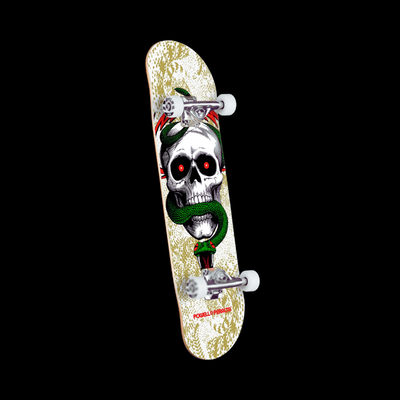
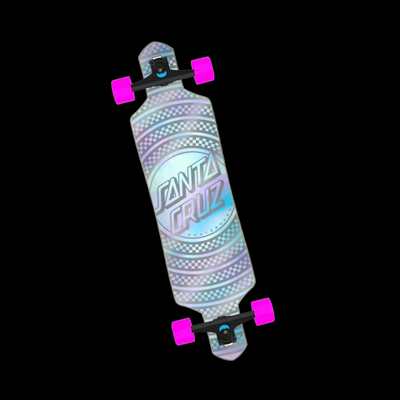
The Park Ripper: Look for a slightly wider 8.38" or 8.5" deck (brands like Santa Cruz or Powell Peralta often have great shapes for this). Equip it with 56mm wheels and High trucks. This setup will carry you through the bowls and help you feel locked in on the coping.
The "I Want It All" Hybrid: Grab an 8.25" deck, 54mm wheels (99a), and standard height trucks. This is the Swiss Army knife of skateboards—capable in the streets and comfortable in the park.
