

Smart Skating: How the Right Gear Unlocks Your Progress
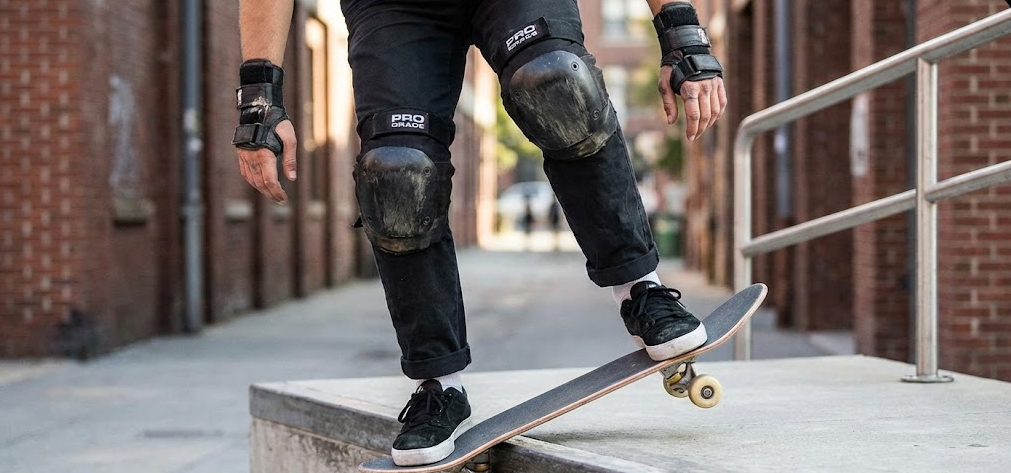
When you’re looking at a fresh setup—whether it's an aggressive inline skate, a new complete scooter, or a cruiser board—the last thing you want to think about is covering it up with bulky pads. We get it. The freedom of rolling is the whole point.
But there is a misconception that safety gear holds you back or isn't "cool." The truth is the exact opposite. The right protective equipment isn't about limiting your ride; it's about extending it. It gives you the confidence to push harder, try that new trick, and get back up quickly when gravity wins one round.
Here is a straightforward breakdown of why gear matters and how to choose what you actually need.
Breaking Down the Safety Myths
There is a lot of conflicting advice out there about what you need to wear to stay safe. Let’s cut through the noise and look at the reality of learning action sports.
Do beginners really need pads and helmets?
The short answer is absolutely yes. The long answer is about how you fall.
When you are learning, falls are unpredictable. You haven't yet developed the muscle memory to "fall correctly" (rolling out of a bail rather than stiffening up). Beginners are more likely to fall backward onto wrists, elbows, and the back of their heads.
Wearing a helmet, wrist guards, and knee pads during the learning phase isn't just about avoiding scrapes; it’s a psychological safety net. When your brain knows that falling won't result in a trip to the ER, you are less hesitant. That lack of hesitation is exactly what you need to actually land the trick you are trying. You will progress faster because you are padded up.
Choosing the Right Armor for Your Ride
Not all gear is created equal. If you browse the protective gear section at Skates USA, you’ll see a wide range of options. Knowing the difference ensures you get the protection you’re paying for.
What’s the difference between cheap pads and pro-grade protection?
It usually comes down to three things: material science, design, and longevity.
-
Cheap Pads: Often use thin, generic foam that compresses completely on impact, transferring the force to your bone. The plastic caps are brittle, and the straps tend to dig into your skin and slip when you sweat.
-
Pro-Grade Gear: Uses high-density memory foam or proprietary impact-absorbing technologies designed to disperse intense force. They are ergonomically shaped to bend with your joints, and they stay in place during a slide.
While pro gear costs more upfront, it survives multiple impacts that would destroy cheaper pads, meaning you replace them less often.
How should knee pads and wrist guards fit?
If your gear doesn't fit right, it won't work right.
-
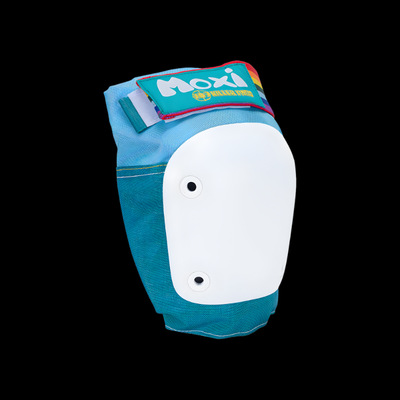
Knee and Elbow Pads: They need to be snug but not circulation-cutting tight. When you bend your knee, the pad should move with your kneecap, not slide above or below it. The most important factor is that it shouldn't rotate sideways if you hit the ground at an angle.
-
Wrist Guards: These should feel almost like a cast. The rigid splint should align perfectly with the palm side of your wrist. If you can easily bend your wrist backward while wearing the guard, it’s too loose or poorly designed. They need to be tight enough to prevent hyperextension during a forward fall.
Are skate helmets different from bike helmets?
Yes, and this is crucial. You should not use a standard road bike helmet for skating or scootering.
Bike helmets are designed for single, high-impact crashes (like getting hit by a car). They usually have an aerodynamic, pointy shape and are made of foam meant to crush once and be replaced.
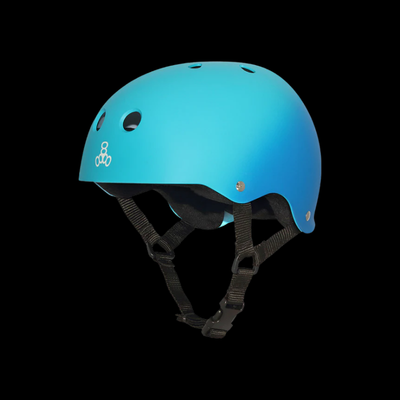
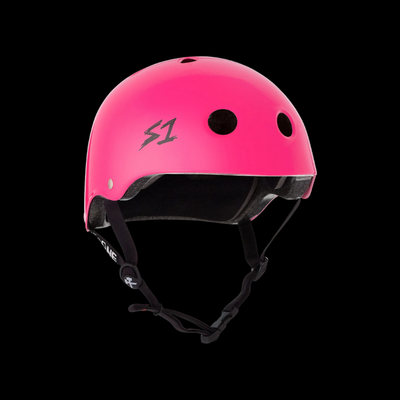
Skate helmets (often called "bucket helmets") are dual-certified (look for CPSC and ASTM standards). They are designed to withstand multiple lower impacts. Their round shape extends further down the back of the head to protect against the backward falls common in skate parks.
What protective gear is best for street skating vs skate parks?
Your environment dictates your gear needs.
Street Skating: The ground is unpredictable—cracks, rocks, and traffic. Because falling on concrete is unforgiving, a helmet is non-negotiable. Wrist guards are highly recommended because street falls are often sudden forward pitches. You might opt for slimmer, lower-profile knee pads that fit under jeans for cruising.
Skate Parks: The surfaces are smoother, but the heights are higher. In a park, especially on transition ramps, you need beefier knee pads. You need to be able to slide out of a bail on your knees without the pad slipping. A certified helmet is essential here due to the risk of collisions with other riders or hitting hard coping.
