


BMX Bike vs Mountain Bike - Which Ride Gets Your Wheels Turning?
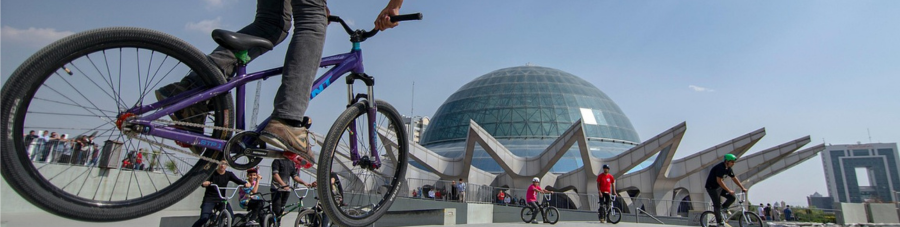
Still unsure whether a BMX bike or a mountain bike is your ideal ride? Don't worry, many cyclists face this exciting decision! Both offer the simple pleasure of two wheels, yet their designs are tailored for very different experiences. What truly sparks your riding passion? Is it the dynamic energy of aerial tricks and skatepark maneuvers, the thrill of pushing your limits with jumps and ramps? Or does the allure of nature call to you, picturing adventures on rugged trails, navigating the challenges of roots and rocks in the wilderness? That initial spark, that instinctive pull towards a certain type of riding, is often the most reliable guide in making your choice.
Decoding the BMX Bike
Seen riders doing insane flips? They're likely on a BMX, short for Bicycle Moto-Cross – born for action. Think pedal-powered motocross, where speed, agility, and the unexpected rule. It's all in the design:
-
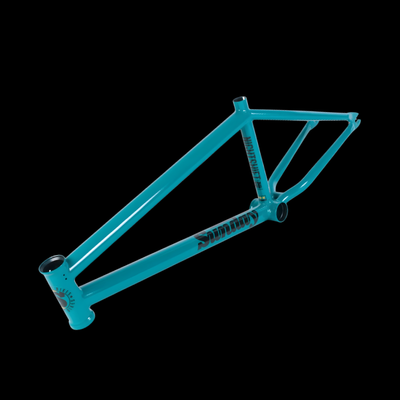
Small & Tough Frames: Compact steel or aluminum frames built to handle jumps and hard landings. Their smaller size means they're super maneuverable.
-
Iconic 20-Inch Wheels: Instantly recognizable, these smaller wheels offer quick acceleration and make the bike easy to throw around for tricks.
-
Simple Single-Speed: Most BMX bikes have one gear and a freewheel, meaning less maintenance and more focus on power for speed and tricks.
-
Grippy Knobby Tires: Designed for traction on dirt, ramps, and skateparks, keeping you grounded.
-
Reliable Brakes: Essential for control during stunts, often featuring strong rear U-brakes or V-brakes. Freestyle models might even have a gyro for untangled handlebar spins.
-
Reinforced Parts: From handlebars to pedals, BMX components are built extra strong to withstand aggressive riding.
Where a BMX Bike Shines:
BMX bikes are in their element anywhere that demands quick reflexes and total control:
-
Skateparks are Their Playground: Ramps, bowls, grinding rails – a BMX eats this stuff for breakfast. Their maneuverability and tough build are perfect for it.
-
Soaring Over Dirt Jumps: That solid frame and those grippy tires give you the confidence to launch and land those dirt jumps like a pro (or while you're learning!).
-
Burning Up the Race Track: While there are specialized BMX race machines, the core design is all about explosive speed and carving through tight corners on a BMX track.
-
Mastering the Streets: Plenty of riders use BMX bikes to conquer urban obstacles, pulling off tricks on ledges and hopping over anything in their path.
Cracking the Code of a Mountain Bike
Now, picture a bike built for adventure, for heading off the beaten path. That's a mountain bike in its element. Comfort, stability, and the ability to handle all sorts of rough terrain are what they're all about. Here's what makes them tick:
-
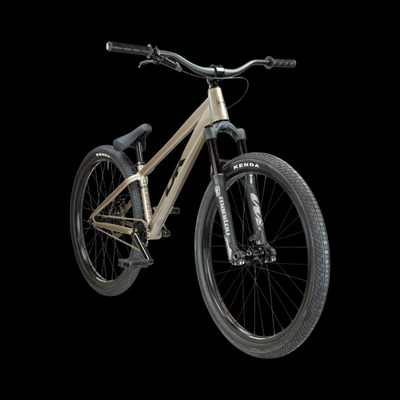
Bigger Frames with Suspension for the Bumps: Mountain bike frames are generally larger than BMX frames and often come with suspension. Front suspension (that's a "hardtail") is common, but some go all-out with both front and rear suspension ("full-suspension") for maximum comfort and control when things get really bumpy.
-
Big Wheels and Meaty Tires: Mountain bikes roll on bigger wheels – 26-inch, 27.5-inch (sometimes called 650b), or even 29-inch. These bigger wheels roll over obstacles easier, and those wide tires with their aggressive tread give you serious grip on dirt, gravel, and mud.
-
Gears for Every Hill and Valley: Forget just one speed! Mountain bikes come with a whole range of gears, so you can pedal efficiently whether you're grinding up a steep climb or cruising on flat ground. Derailleurs and shifters make changing gears a breeze.
-
Brakes with Serious Stopping Power: Disc brakes are the norm on mountain bikes. They give you powerful and consistent braking in any weather, which is super important when you're bombing down a hill.
-
Tough as Nails Components: While they might not take the same direct hits as a BMX, mountain bike parts are still built strong to handle the demands of off-road riding.
Where a Mountain Bike Thrives:
Mountain bikes are your go-to for exploring and conquering challenging landscapes:
-
Tackling the Trails: Smooth singletrack, rocky paths, rooty climbs – mountain bikes are designed to eat it all up.
-
Venturing into the Woods: Navigating through trees, over logs, and across uneven ground? That's where a mountain bike feels right at home.
-
Conquering Hills and Mountains: Those multiple gears make climbing easier, and the suspension and powerful brakes give you control on the way down.
-
Long Off-Road Adventures: If you're dreaming of exploring remote areas and going on epic bike trips, a mountain bike is your trusty steed.
BMX Bike vs Mountain Bike: The Key Differences at a Glance
Just to make it crystal clear, here's a quick rundown of the main differences:
|
Feature |
BMX Bike |
Mountain Bike |
|
Wheel Size |
20 inches |
26", 27.5", or 29 inches |
|
Gears |
Single-speed |
Multiple gears |
|
Suspension |
Typically none |
Often front or full suspension |
|
Frame Size |
Small and compact |
Larger |
|
Tire Type |
Knobby |
Wide with aggressive tread |
|
Brakes |
U-brakes or V-brakes |
Often disc brakes |
|
Intended Use |
Tricks, stunts, racing on tracks |
Off-road riding, trails, climbing |
Export to Sheets
Finding Your Perfect Ride: It's All About You
To figure out your ideal ride, think about what excites you most and where you'll ride. Aspiring tricksters and urban explorers, if stunts get your adrenaline pumping, a tough and agile BMX bike is calling your name. Explore our complete BMX selection to get started:
Consider a solid entry-level option like The Cult 2025 Gateway 20.5″ Complete BMX Bike.
For trail blazers and off-road dreamers, if conquering nature's paths is your goal, a mountain bike with suspension and gears is your best buddy.
BMX Bike vs Mountain Bike for Kids: Sizing Things Up for the Young Riders
When choosing a mountain bike vs bmx for kids, consider their age and development. For 7-year-olds still refining balance, a smaller 16" or 18" wheel BMX is great for learning basics and building confidence due to its simplicity. While some might manage a small 20" mountain bike, ensure a good fit and manageable weight. By 10, with improved coordination, a 20" BMX or a small youth mountain bike could work. For skateparks and neighborhood fun, BMX is ideal. For trail exploration with family, a mountain bike with gears and potential front suspension is a better choice.
Wrapping It Up: Your Perfect Ride Awaits
Ultimately, choosing between a BMX bike and a mountain bike hinges on your riding passion and where you'll be hitting the pedals. Both offer unique thrills. If tricks and skateparks ignite your excitement, a BMX's agility and toughness are your perfect match. For off-road adventures and conquering trails, a mountain bike's comfort and versatility will be your ideal companion. No matter your choice, get out and ride! Explore our awesome BMX complete bike selection at to find your next adventure on two wheels.
