

Choosing the Right Skate Shoes: Why Your Footwear Matters

When you first start skateboarding, it’s tempting to just grab whatever old pair of sneakers you have lying around. But after a few sessions, you'll notice something frustrating: your shoes are falling apart. Holes appear in the toe, the soles wear down to nothing, and your feet might even hurt from the constant impact. This isn't just a cosmetic issue; it's a performance and safety problem.
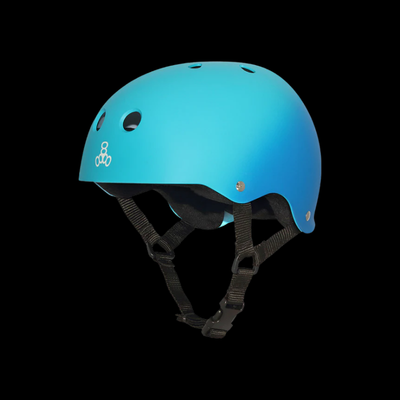
Skateboarding is uniquely demanding on footwear. The coarse grip tape on your deck is essentially sandpaper, designed to keep your feet locked in place but also incredibly abrasive to standard shoe materials. Furthermore, the repetitive impact of landing tricks—even simple ones—can take a toll on your feet and joints. This is why dedicated skate shoes are not a marketing gimmick; they are an essential piece of equipment, just like your helmet or pads.
Investing in the right pair of skate shoes will not only save you money in the long run by lasting longer, but it will also improve your board control, help prevent injuries, and make your overall skating experience much more enjoyable. Let's break down what makes a shoe "skate-ready" and how to choose the perfect pair for your needs.
The Anatomy of a Skate Shoe: What You Need to Know
Understanding the construction and materials of a skate shoe is key to making an informed decision. The right choice depends on your personal preference for board feel versus impact protection, as well as how much durability you need.
Why do regular sneakers wear out fast when skating?
The primary culprit is grip tape. Every time you slide your foot to perform a trick like an ollie, you are effectively rubbing your shoe against heavy-duty sandpaper. Regular canvas or thin synthetic materials used in fashion sneakers simply can't withstand this abrasion and will develop holes in a matter of hours.
Another factor is impact. Landing tricks generates significant force that travels up through your feet. Standard sneakers lack the reinforced soles and cushioning needed to absorb this shock, leading to bruised heels and sore feet. A good skate shoe typically features a more durable rubber outsole and a cushioned insole to mitigate these forces, which is something to consider alongside your other protective gear.
What’s the difference between vulcanized and cupsole skate shoes?
This is the biggest debate in skate footwear, and the answer depends on what you prioritize.
-
Vulcanized ("Vulc") Soles: These are made by gluing the upper part of the shoe to the rubber sole and then heating them together. The result is a shoe that is flexible, breaks in quickly, and offers excellent board feel. You can really feel the concave of the deck beneath your feet, which is great for technical tricks. The downside is they generally offer less impact protection and the sole can wear down faster.
-
Cupsole Shoes: These have a solid rubber "cup" that the upper sits inside, which is then stitched and glued to the sole. Cupsoles are typically more durable and provide significantly better impact protection and support for your feet. They are stiffer initially and take longer to break in, and you'll have slightly less board feel compared to a vulc shoe.
If you're just starting and focusing on basic riding and small tricks, a vulc shoe might be more comfortable and help you learn board control. As you progress to bigger gaps or stairs, the added protection of a cupsole becomes more important.
How much grip and board feel should beginners look for?
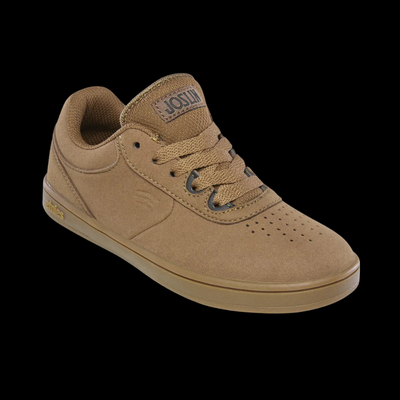
For a beginner, grip is essential. You want a rubber outsole that feels "tacky" and holds your feet firmly on the board. Look for a tread pattern, like the classic herringbone, that provides multi-directional grip.
Board feel is also important for learning how to balance and manipulate the board. A shoe with a thinner sole (like a vulcanized one) will give you more of this direct feedback. However, don't sacrifice all protection for board feel. A good starting point is a shoe that offers a balance—enough feel to learn, with a decent insole to protect your heels from bruises. As you gain experience, you'll develop your own preference for this balance.
Are suede shoes better than canvas for skateboarding?
In almost every case, yes, suede is far superior to canvas for durability. Suede is a type of leather with a napped finish that is highly resistant to abrasion from grip tape. A suede shoe will last significantly longer than a canvas one, especially in the toe area where most of the wear occurs.
While canvas shoes can be more breathable and lighter, they will develop holes very quickly if used for serious skating. Some shoes offer a compromise, using suede in high-wear areas like the toe and heel, and canvas on the sides for breathability. For your first pair of dedicated skate shoes, we highly recommend choosing a model with a predominantly suede upper.
Making Your Choice: Recommendations from Skates USA
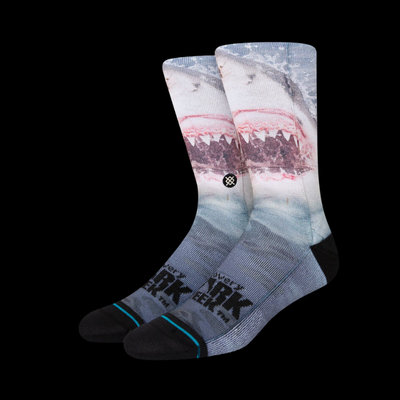
Now that you understand the key features, it's time to pick out your new shoes. At Skates USA, we carry a wide selection of top-tier brands known for their quality and performance. Remember, orders over $50 ship for free, so it's a great time to grab a pair of shoes and maybe some fresh socks to go with them.
Which skate shoes at SkatesUSA are best for beginners?
For beginners, we recommend focusing on durability and a good balance of board feel and support. Brands like Emerica, Lakai, and New Balance Numeric offer fantastic entry-level options that don't compromise on quality.
-
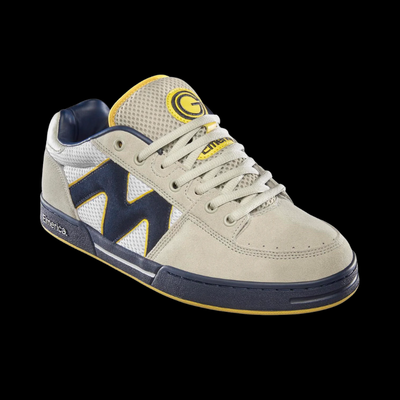
For Great Board Feel & Value: Look for classic vulcanized models from Emerica. Their shoes are known for being comfortable right out of the box and providing excellent grip, perfect for learning the basics.
-
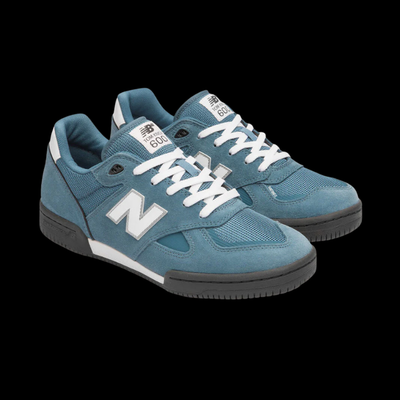
For Durability & Support: Consider a cupsole model from New Balance Numeric. They bring their athletic shoe expertise to skateboarding, resulting in shoes that are incredibly durable and offer superior impact protection, which is great as you start trying new tricks.
-
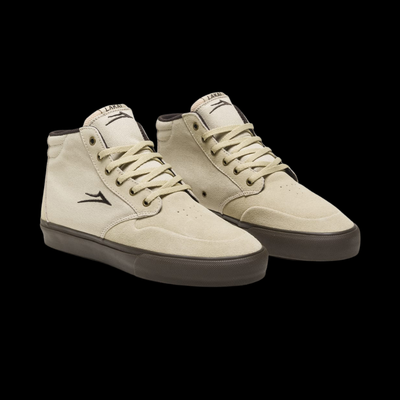
A Stylish & Functional All-Rounder: Lakai offers a great range of both vulcanized and cupsole shoes with clean designs that look as good off the board as they perform on it. Their shoes are a favorite among skaters of all levels for a reason.
Browse our full collection of skate shoes to find the style and color that speaks to you. Don't hesitate to reach out to our team if you have any specific questions about fit or a particular model!
