



How to Skate on Roller Skates: A Complete Beginner's Guide
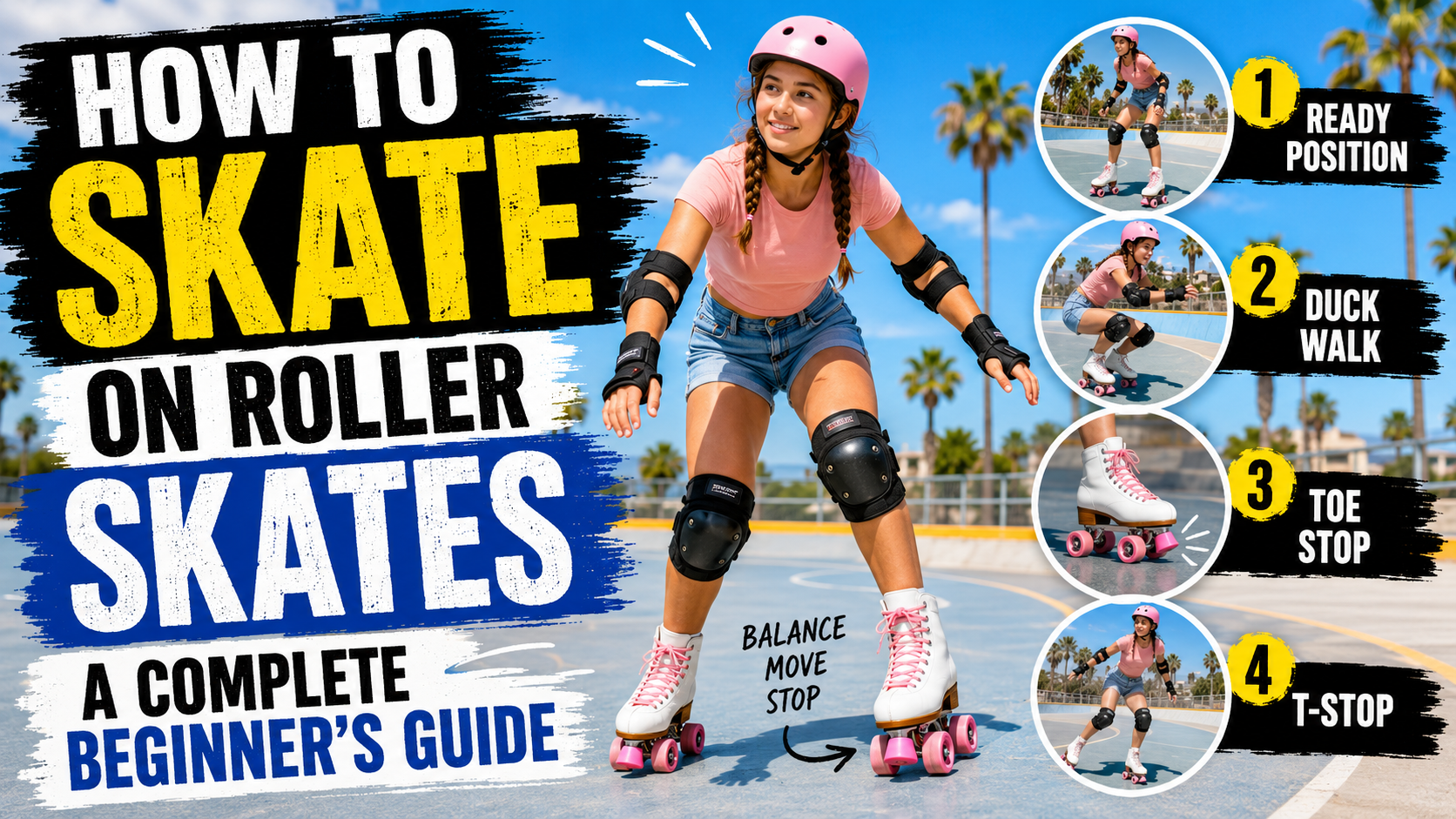
Lacing up a pair of roller skates for the very first time is an incredibly exciting feeling. However, before you start hitting the local rink, bombing hills, or navigating busy park trails, you need to learn the most crucial skills of all: the fundamentals of balance, movement, and stopping.
A roller skate doesn't have a built-in emergency brake, which means your body and your skates have to do all the work. If you don't know the proper way to handle your wheels, a fun session can quickly turn into a dangerous wipeout.
Whether you are a complete novice lacing up for day one or a returning skater looking to refine your technique, you are in the right place. This comprehensive guide on roller skating for beginners will walk you through exactly what you need to know. From figuring out how to balance on roller skates to mastering your very first strides and stops, here is your complete quad skates beginner roadmap to success.
1. Gearing Up: The Essentials for a Quad Skates Beginner
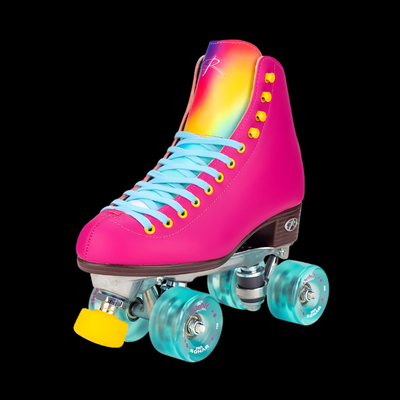
Before we even talk about movement, let's talk about gear. The world of roller skating is vast, but as a beginner, your focus should be on safety and stability. Quad skates (skates with two wheels in the front and two in the back) are traditionally recommended for beginners because they provide a wider, more stable base than inline skates.
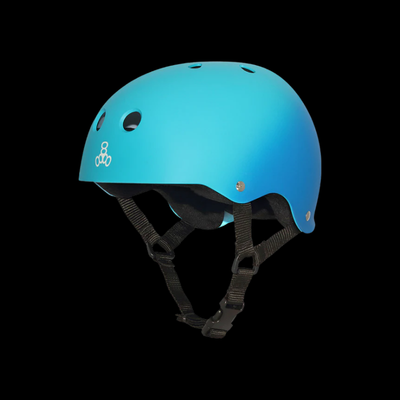
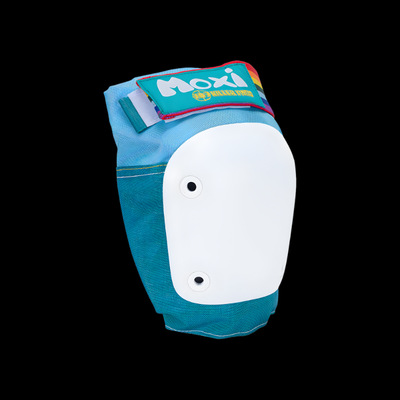
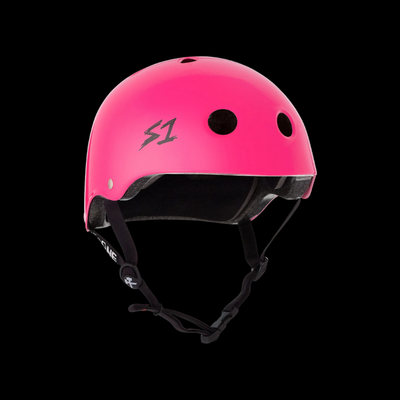
When choosing your first pair, ensure they fit snugly. A skate that is too loose will cause blisters and make it significantly harder to control your movements. Equally important is your protective gear. Never skip out on a high-quality helmet, wrist guards, elbow pads, and knee pads. Wrist guards, in particular, are the unsung heroes of roller skating for beginners because human instinct is to catch yourself with your hands when you fall. Protect those wrists so you can skate another day!
2. The Foundation: How to Balance on Roller Skates
If you only take away one lesson from this guide, let it be this: posture is everything. Before you try to move forward, you must learn how to balance on roller skates. When you step onto the pavement or the rink floor, your center of gravity completely shifts.
How to do it:
- The Ready Position: Stand with your feet about shoulder-width apart. If your feet are too close together, you will feel tippy and unstable.
- Bend Your Knees: This is the golden rule of skating. Keep your knees generously bent. Bending your knees lowers your center of gravity, instantly making you more balanced and less likely to fall backward.
- Keep Your Core Engaged: Keep your back straight, chest up, and core tight. Avoid hunching over your toes.
- Arm Placement: Hold your arms out slightly in front of you and to the sides, roughly at waist height. This will act as your natural counterbalance.
Tip: If you ever feel like you are losing your balance, do not stand up straight! Human instinct tells us to stand up tall when we panic, but on skates, this will shoot your feet out from under you. Instead, bend your knees even deeper, get low, and touch your knees if you have to.
3. Taking Your First Steps: The Duck Walk
Now that you know how to balance on roller skates, it is time to get moving. Do not try to push off and glide immediately. Instead, start with a technique affectionately known as the "Duck Walk" or the "V-Walk."
How to do it:
- Start in your Ready Position with your knees actively bent.
- Turn your toes outward so your feet form a "V" shape. Your heels should be close together, but not touching.
- Shift your weight onto your left foot, and pick up your right foot to take a small step forward and outward.
- Shift your weight to your right foot, and take a small step forward and outward with your left foot.
- Waddle forward, keeping your steps small, deliberate, and controlled.
As you get more comfortable with this marching motion, you will naturally start to roll a little bit with each step. Allow that roll to happen! Over time, you will push a little harder and roll a little longer, transitioning beautifully from a march into a true skating glide.
4. How to Stop on Roller Skates: 4 Methods for Beginners
Learning how to push and glide is exciting, but just like skateboarding, you need to learn the most crucial skill: stopping. If you don't know how to stop on roller skates safely, you pose a risk to yourself and others. Here is a complete guide on how to brake using four different methods.
1. The Toe Stop Drag (The Most Essential Method)
If you only learn one method from this list, make it the toe stop drag technique. Most beginner quad skates come with a prominent rubber toe stop on the front of the boot. It is the safest, most reliable way to slow down at moderate speeds, and every skater needs to master it.
How to do it:
- Scissor your feet by rolling one foot forward and keeping the other foot slightly behind you. Most of your body weight should remain on your front, stabilizing leg.
- Bend the knee of your front leg deeply.
- Lift the heel of your back foot, pointing your toes down toward the pavement.
- Let the rubber toe stop lightly drag against the ground behind you.
- Apply more downward pressure to the toe stop to stop faster.
Tip: Do not stomp your toe stop down, or your leg will violently bounce and throw you completely off balance. A smooth, gradual drag is the secret to a perfect toe stop brake.
2. The T-Stop (The Classic, Friction Stop)
When you watch more experienced skaters, you will often see them stopping by dragging their wheels in a "T" formation. If you are wondering how to roller skate as a beginner without relying heavily on your toe stops, this is a common progression.
How to do it:
- Glide forward with all your weight balanced on one foot (your gliding foot).
- Lift your other foot and position it horizontally behind your gliding foot, forming a "T" shape.
- Gently lower the back foot, so all four wheels make contact with the ground simultaneously.
- Apply light pressure to the outer edges of those back wheels, letting the friction slow you down.
The Catch: We don't highly recommend relying *only* on this method if you are skating outdoors on rough pavement. Scraping the polyurethane wheels against concrete aggressively wears them down, creating "flat spots" and forcing you to buy new wheels much sooner.
3. The Plow Stop (The Wheel Saver)
If you like the idea of the T-Stop but want to save your wheels from getting flat spots, the Plow Stop is the perfect alternative. It is heavily utilized in roller derby and is incredibly effective for sudden speed control.
How to do it:
- Start by gliding forward with your feet parallel and shoulder-width apart.
- Widen your stance slightly beyond shoulder-width.
- Bend your knees deeply and shift your weight into your heels.
- Turn your toes inward toward each other (pigeon-toed) and push your feet out against the ground.
- The opposing force of your wheels pushing inward and outward will bring you to a swift, stable stop.
This method trades wheel wear for muscle engagement. You will definitely feel this in your thighs, but your gear will thank you!
4. The Turnaround Toe Stop (The Advanced Stop)
Once you are comfortable on your quad skates and riding at higher speeds, a simple toe drag might not be enough. To stop quickly while going fast, you need to learn the turnaround toe stop. This is an advanced move, but it looks incredibly stylish and is highly effective for immediate braking.
How to do it:
- Gain a good amount of speed (this stop relies on momentum).
- Transition your body to skate backward. (This requires mastering a 180-degree transition).
- Once you are rolling backward, stagger your feet.
- Lift the heels of *both* feet simultaneously, pressing both toe stops firmly into the ground.
- Lean slightly forward (in the direction of your momentum) to brace against the stop.
Gear Note: This stop requires sturdy, high-quality toe stops. Small, hard plastic stops won't grip the pavement effectively, making this move very difficult to execute.
Stop Safely with Skates USA
Learning how to skate on roller skates takes patience, practice, and a few inevitable falls. Make sure you are protecting yourself while learning these techniques by wearing proper safety gear.
At Skates USA, we carry a huge selection of durable quad skates, high-grip toe stops, and all the helmets and pads you need to learn with confidence. Shop our collection today and enjoy FREE SHIPPING on orders over $50!
