



Inline Skates vs. Cruiser Skateboard: A Beginner’s Guide on How to Roller Skate

Roller skating and skateboarding are both exciting, dynamic sports that offer a unique thrill and freedom of movement. Whether you're gliding down the street or perfecting your tricks, choosing the right equipment is essential for an enjoyable experience. Inline skates and cruiser skateboards are two popular options, each offering different experiences and advantages for riders. If you're just starting or looking to switch between these two, understanding the key features of each can help you make the right choice. This guide explores inline skates and cruiser skateboards, compares their features, and provides tips on how to roller skate.
Inline Skates: The Classic Roller Experience
Inline skates, also known as rollerblades, are the quintessential tool for anyone interested in roller skating. Unlike traditional quad roller skates, inline skates feature a single line of wheels, providing a different feel and allowing for increased speed and maneuverability. They are often used for recreational skating, fitness, and even aggressive skating and roller hockey.
Key Features of Inline Skates:
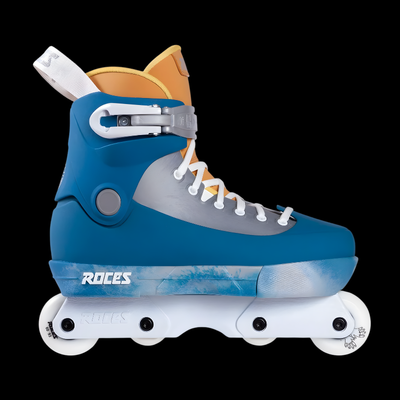
Inline skates consist of several key components that make them perfect for different types of skating. For example, the boot is usually made from lightweight, durable materials like high-grade polyurethane, which ensures both comfort and performance. Low cuffs are common in aggressive inline skates, providing greater mobility while maintaining ankle support. Some inline skates, like the Roces M12 Dogma Domestic Punk 2.0, feature vegan skin and recyclable packaging, making them an eco-friendly choice.
Wheels on inline skates vary in size and hardness depending on the style of skating. Larger wheels (usually 60mm or more) are great for speed, while smaller wheels (around 50mm) are better for tricks and technical movements. The ABEC 5 bearings in many inline skates, such as the Roces skates, ensure smooth rolling with minimal resistance. Inline skates are equipped with a UFS frame, which allows you to adjust your setup based on your skill level and the type of skating you're doing.
Why Choose Inline Skates?
Inline skates offer a smooth, fast ride that is ideal for longer distances, skating at higher speeds, or performing aggressive maneuvers like grinds and jumps. They also allow more natural foot movements than traditional roller skates. Additionally, inline skates provide superior agility and maneuverability when navigating through tight spaces, making them a great choice for both beginners and advanced skaters.
Cruiser Skateboards: The Classic Skateboarding Experience
On the other hand, cruiser skateboards offer a different skating experience. They are known for their versatility, ease of use, and ability to handle a variety of terrains. Cruiser boards are typically smaller than longboards, making them ideal for quick, responsive rides and short-distance cruising. They are perfect for those who want to skate around town, down hills, or even perform basic tricks.
Key Features of Cruiser Skateboards:
Cruiser skateboards, like the Carver Glass Off C7 Surfskate Complete, have a number of features that make them unique. Length and wheelbase are crucial for stability and control. For example, the Carver Glass Off board has a 32" length and a 17 5/8" wheelbase, providing stability while offering a responsive ride. Wheels on a cruiser board, like the 65mm Mag Aqua 78A wheels, offer great grip and control for smooth rides and sharp turns. The C7 truck setup on this particular board allows for smooth carving and a surf-like feel, making it perfect for skaters looking to enjoy a flowing ride, especially when surfing the streets.
Cruiser skateboards often come with soft wheels, which provide a comfortable ride over rough surfaces like cracks and gravel. The bearings in these skateboards, typically ABEC-rated, help to reduce friction, allowing for smooth, fast rolling. Grip tape on the top of the deck provides traction, helping skaters maintain control while riding.
Why Choose a Cruiser Skateboard?
Cruiser skateboards are perfect for those who enjoy easy cruising and occasional tricks. Their compact design makes them portable, while the soft wheels provide a more comfortable ride on uneven terrain compared to inline skates. If you're looking for a simple way to get around and enjoy some low-impact skating, a cruiser board is a great option. The surf-like feel of a cruiser skateboard, especially with the right trucks and wheels, offers a unique experience for skaters who love carving and flow.
How to Roller Skate: A Beginner’s Guide
No matter whether you choose inline skates or a cruiser skateboard, getting started with roller skating can be a fun and rewarding experience. If you're a beginner, it's important to learn the basics and practice your skills to gain confidence on your skates.
Step 1: Choose the Right Gear
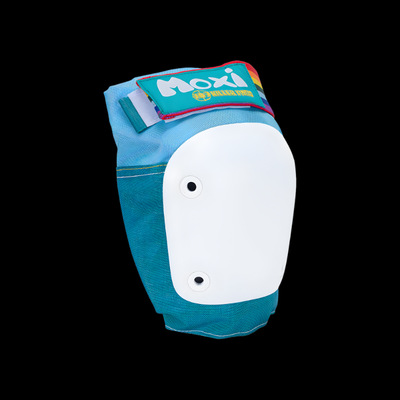
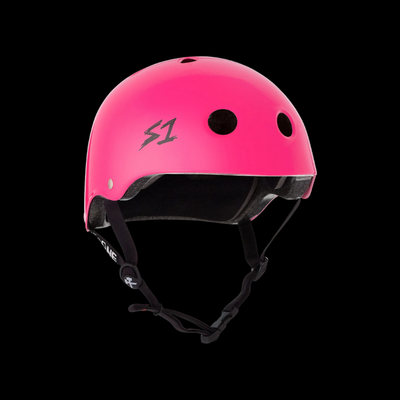
Start by selecting the right inline skates or skateboard that matches your goals. As discussed, inline skates are great for speed and agility, while cruiser skateboards are perfect for cruising and carving. Once you have your gear, ensure that your helmet and protective pads are in place to avoid injury while learning.
Step 2: Get Comfortable with Balance
Balance is key when learning how to roller skate. If you’re on inline skates, begin by standing still and practicing how to balance on each foot. For cruiser skateboarding, it’s crucial to get used to shifting your weight from one foot to the other. Start with both feet on the board, then practice shifting your weight to steer and maneuver.
Step 3: Start Rolling
Once you feel comfortable balancing, begin rolling gently. For inline skates, push off with one foot and glide, keeping your knees slightly bent for stability. Cruiser skateboarding requires you to push with one foot while keeping the other foot on the board. Make sure to take it slow and focus on controlling your speed as you move.
Step 4: Learn How to Turn
Turning is an essential skill for both inline skating and cruising. Inline skates offer a natural turning motion, where you lean into the turn and shift your weight. For skateboards, you’ll need to lean and apply pressure to the edge of the board to make turns. Practice turning on flat surfaces and gradually challenge yourself with wider turns and different terrains.
Step 5: Improve Your Stopping Techniques
Stopping is crucial for your safety, especially when you begin skating at higher speeds. In inline skating, you can use the heel brake on the back of your skates to slow down. For cruiser skateboarding, you can either use the foot brake (dragging one foot on the ground) or try to stop by carving and using your body weight to slow the board down.
Which Is Right for You: Inline Skates or Cruiser Skateboards?
The choice between inline skates and cruiser skateboards ultimately depends on your preferences and skating style. Inline skates are perfect for skaters who enjoy speed, smoothness, and the freedom to perform aggressive tricks. They are ideal for fitness skating, roller hockey, and urban commuting. Cruiser skateboards, on the other hand, are great for riders looking for a versatile, laid-back way to cruise around town, carve the streets, and perform simple tricks.
If you’re just starting, you might find it easier to pick up basic skills on a cruiser skateboard since they are more stable and easier to balance on. However, inline skates offer a quicker learning curve once you’ve mastered the basics, as they provide greater agility and speed.
Conclusion
Whether you choose inline skates or a cruiser skateboard, both offer a unique and exciting skating experience. Inline skates provide smooth, fast rides and are perfect for those seeking an active, high-energy sport. Cruiser skateboards, on the other hand, are ideal for casual riders who enjoy cruising and carving the streets. As a beginner, it’s important to choose the equipment that suits your skating style and goals. Remember, the most important thing is to practice and have fun while learning how to roller skate.
