

Kids & Skating: How to Encourage Safe and Fun Skating Habits Early On

Skating is more than just a sport: it is a pathway to confidence, creativity, and community. Whether your child is curious about rollerblades, inline skates, or skateboarding, creating a safe and supportive environment can transform a fleeting interest into a lifelong passion. In this guide, we’ll cover everything parents and guardians need to know about kids' skating safety, how to teach kids to skate effectively, and the best ways to encourage safe skating habits that will last a lifetime.
Why Skating Is the Perfect Activity for Kids
Skating engages a child’s full body and mind, providing numerous physical and social benefits.
Benefits of Skating for Kids
-
Develop balance, coordination, and motor skills
-
Build resilience through trial and error
-
Encourage outdoor play and physical activity
-
Promote self-expression and style
-
Offer a healthy alternative to digital entertainment
Skating also connects children with a vibrant community, helping them feel part of something exciting, whether at a local skate park or through social media channels celebrating skate culture.
Choosing the Right Skating Style for Your Child
Before buying gear, think about which type of skating suits your child best. This helps foster enthusiasm and confidence from the start:
Skateboarding for Kids
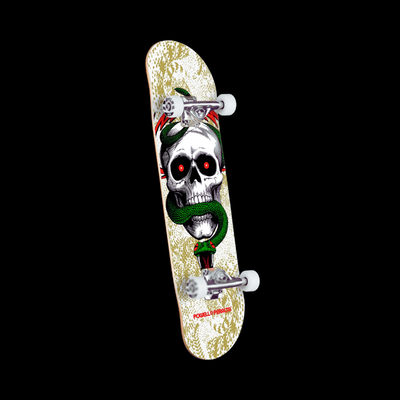
Ideal for older children who love creativity and tricks. Skateboarding improves agility and independence while allowing kids to express themselves uniquely.
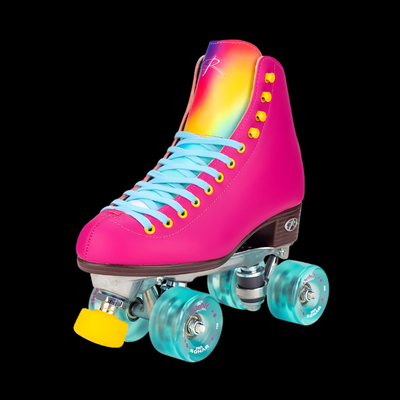
Roller Skating
A stable, easier-to-control option ideal for younger children or beginners who want a fun, balanced experience on smooth surfaces.
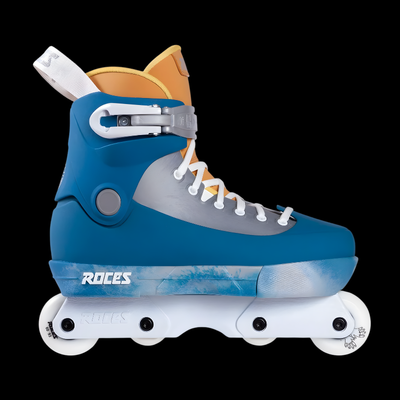
Inline Skating (Rollerblading)
Great for more athletic kids who enjoy speed and fluid motion, inline skates offer a dynamic skating experience.
Many children experiment with multiple skating styles as they grow, so it’s okay to explore different options.
Essential Skating Gear for Kids: Safety First
One of the most important steps in kids' skating safety is outfitting your child with the proper skating gear.
Must-Have Skating Gear
-
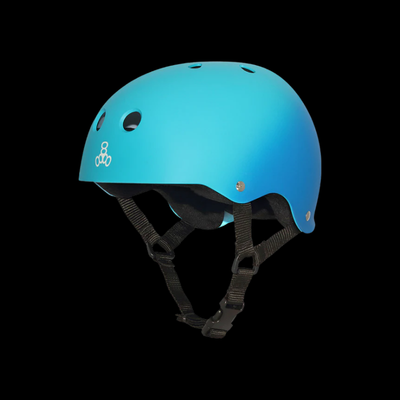
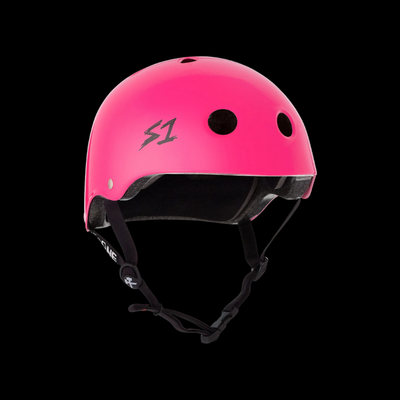
Helmet: Always choose a certified multi-sport helmet that fits snugly without shifting during movement. Look for safety certifications like CPSC or ASTM.
-
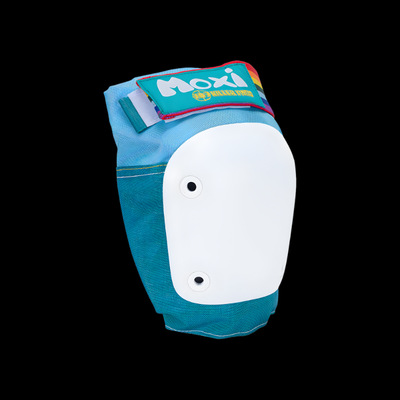
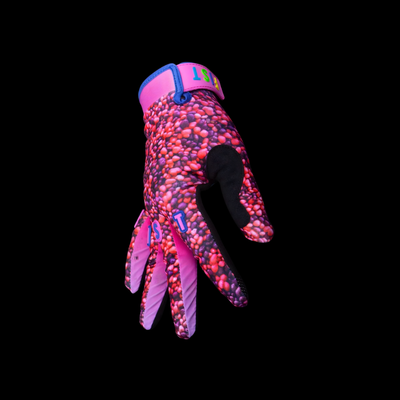
Pads: Beginners should wear knee pads, elbow pads, and wrist guards—especially important for skateboarding—to absorb impact and prevent serious injuries.
-
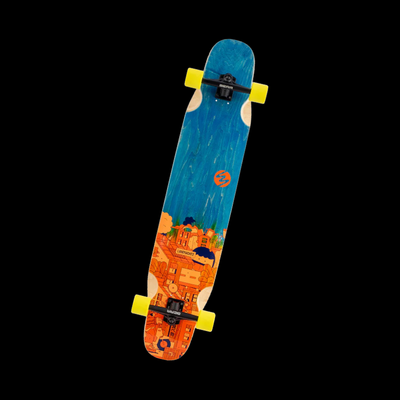
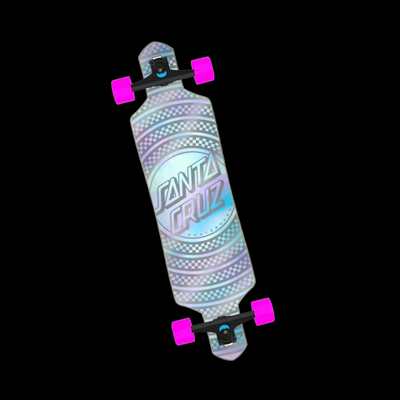
Quality Skates or Boards: Select age-appropriate, adjustable skates or beginner skateboards with wider decks and soft wheels for better control and stability.
-
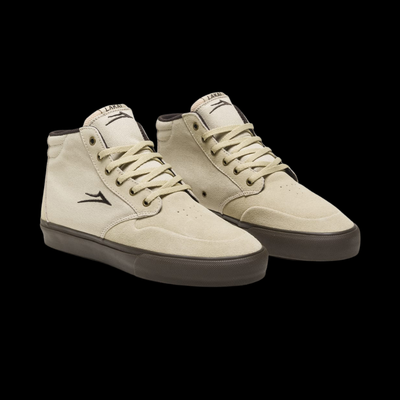
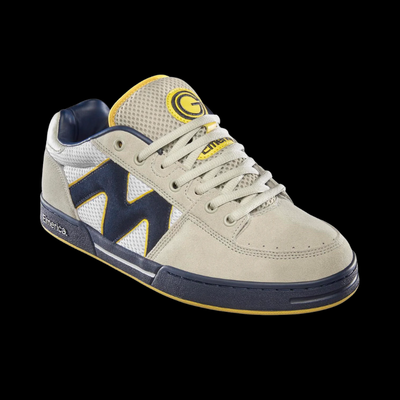
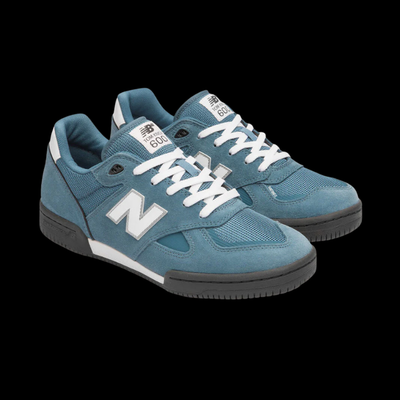
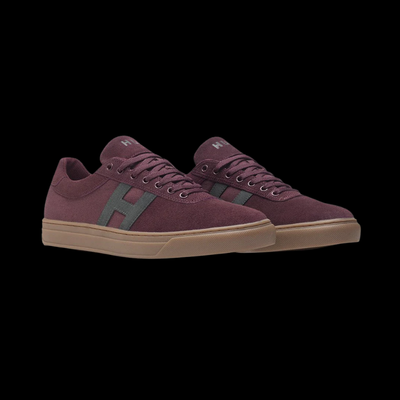
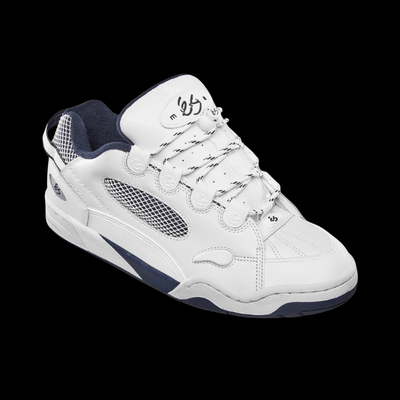
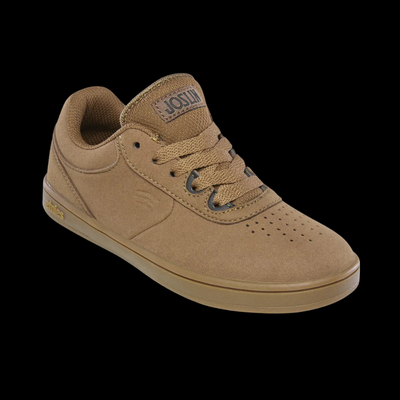
Proper Footwear: Flat-soled skate shoes designed for grip and ankle support are a must. Avoid sandals, Crocs, or slip-ons, which offer no protection or stability.
At SkatesUSA.com, you’ll find a curated selection of skating gear for kids designed with safety and performance in mind.
How to Teach Kids Skating Without Stress
Teaching kids skating is as much about patience and encouragement as it is about technique.
Skating Tips for Children
-
Start small: Begin on soft surfaces like grass or carpet to build balance and confidence without fear of hard falls.
-
Model safe skating habits: Show your child how to stop safely, fall correctly (onto pads), and get back up. Kids learn a lot by watching adults or older siblings.
-
Break skills down: Focus on one skill at a time—pushing, stopping, turning—to avoid overwhelming them.
-
Practice regularly: Short, consistent sessions (15–30 minutes) help build muscle memory and make progress feel achievable.
Bonus tip: Skate alongside your child, even if you’re a little rusty, or bring older siblings or friends to create a fun, supportive learning environment.
Building Safe Skating Habits That Stick
Teaching safe skating habits early will help children enjoy skating confidently and responsibly.
Safe Skating Habits to Encourage
-
Perform a gear check before skating (helmet buckled, pads secure, laces tied)
-
Look and listen before entering streets, skate parks, or shared spaces
-
Skate with a buddy or under adult supervision whenever possible
-
Avoid distractions such as headphones or phones while skating to stay aware of your surroundings
With consistent reminders and positive reinforcement, these habits will become second nature.
Encouraging Kids to Skate Through Milestones and Motivation
Keeping kids motivated to skate means celebrating their achievements and making skating fun.
Motivation Strategies
-
Track skill milestones like the first glide, first trick, or first solo skate.
-
Reward progress with small upgrades like new stickers, wheels, or skating gear.
-
Capture memories with videos and photos to build pride and excitement.
-
Follow inspiring young skaters and safe skating influencers on social media (check out @SkatesUSA on TikTok!).
-
Create a “Skate Calendar” for your child to pick practice days - decorating it turns practice into a fun routine.
Community and Social Benefits of Skating
Skating naturally connects kids with others who share their passion.
How to Get Involved
-
Join group skate meetups or family-friendly events at local skate parks.
-
Participate in skate lessons or clinics to learn in a safe, structured setting.
-
Follow safe-skating role models and brands for inspiration and motivation.
-
Attend community family skate days to socialize and build friendships.
These activities help develop social skills, teamwork, and respectful sharing of public spaces.
Skating Tips for Children by Age Group
Here’s how to tailor skating teaching and safety based on age:
Ages 3–6
-
Use balance toys and training skates with locking wheels for safety.
-
Keep sessions short (under 15 minutes), focused on fun, not skill.
Ages 7–10
-
Introduce basics like turning and simple ramp riding.
-
Teach safety rules in engaging, story-like ways.
-
Encourage group skating with friends or siblings for motivation.
Ages 11–13+
-
Supervised skate park visits and exploration of more advanced gear.
-
Set goals like local competitions or trick challenges to build focus and skill.
Parent-Friendly Kids Skating Safety Checklist
-
The helmet fits snugly and is worn properly every session
-
Pads are secure and comfortable, not too tight or loose
-
The child understands basic skating safety rules
-
Gear is regularly checked for wear or damage
-
The child knows how to stop and fall safely
-
Skating happens in safe, appropriate areas
-
Sessions are supervised or conducted within safe boundaries
Conclusion: Let the Good Times Roll
Skating is one of the few activities that combines fun, fitness, creativity, and personal growth. With the right mindset, skating gear for kids, and a safety-first approach, your child can thrive one push at a time. Whether it’s roller skating, inline skating, or skateboarding for kids, starting with safe habits and supportive teaching builds a foundation for a lifelong love of skating.
Ready to help your little skater start strong? Browse our full collection of skating gear for kids, including beginner boards, protective gear sets, and performance shoes. Let’s make skating safe, stylish, and unforgettable for the next generation!
Frequently Asked Questions (FAQ)
What are the most important safety tips for kids skating?
Always wear proper skating gear for kids, including a helmet, knee and elbow pads, and wrist guards. Teach kids how to fall safely, check their equipment before skating, and avoid distractions while skating.
How do I teach my child to skate without causing stress?
Keep lessons playful and pressure-free. Start with balance exercises on soft surfaces, teach one skill at a time, and skate alongside your child for support.
What skating style is best for beginners?
Roller skating is often best for younger children due to its stability. Older kids interested in tricks might prefer skateboarding, while athletic kids might enjoy inline skating for speed and fluid motion.
How can I encourage my child to keep skating?
Celebrate milestones, reward progress with small gear upgrades, create a skate calendar, and connect with the skating community both locally and online.
What gear should kids wear for skating?
Kids should wear a certified helmet, knee and elbow pads, wrist guards, and flat-soled skate shoes. Proper gear reduces the risk of injury and helps kids feel confident.
